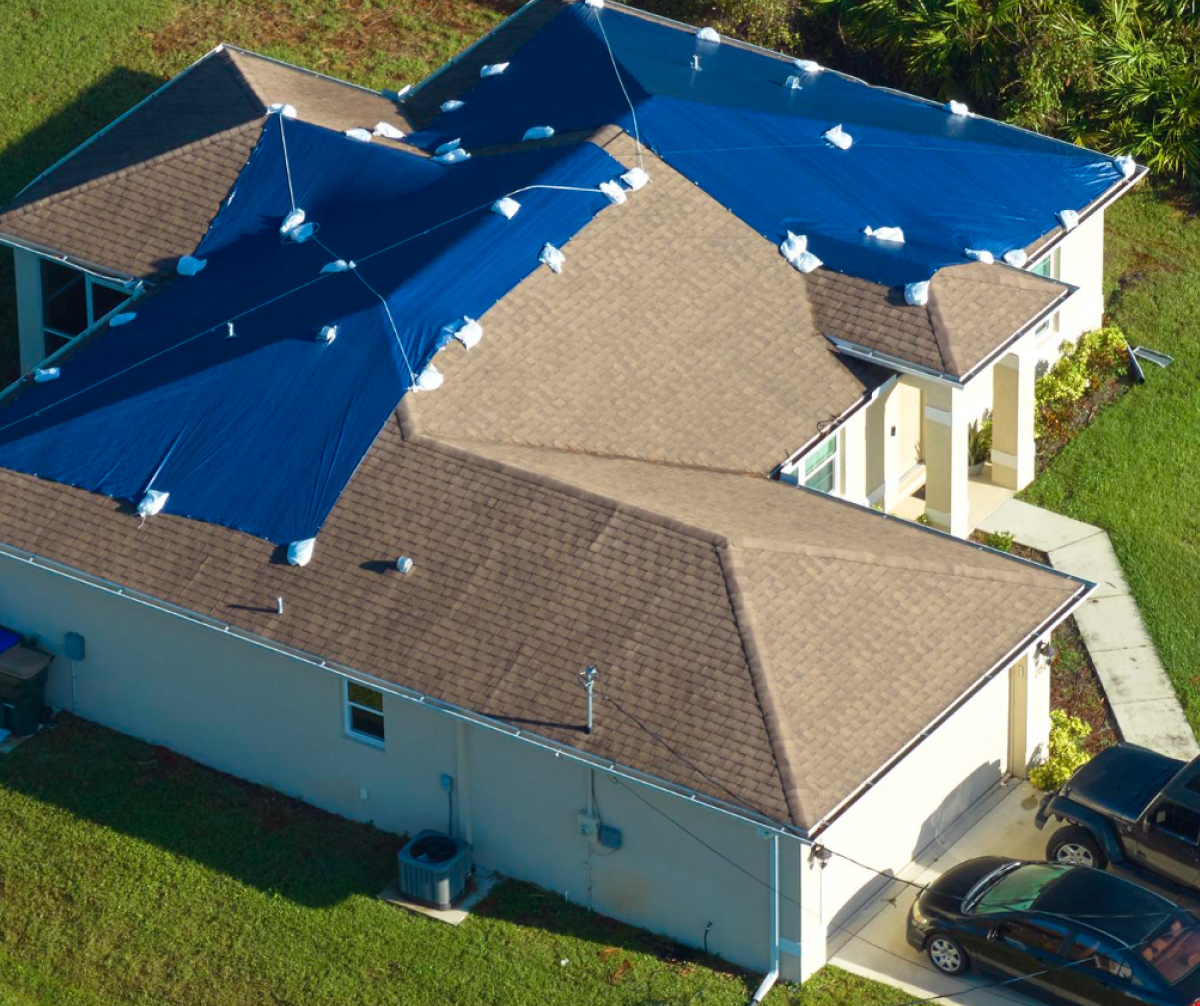
Your roof is your home’s first line of protection, but is it built to handle Westchester County’s changing weather?
Throughout the year, it faces heavy rain, strong winds, summer heat, and everything else the seasons bring. Yet, most homeowners don’t think much about it until the damage becomes impossible to ignore. By then, what could have been a simple repair may have already turned into a much bigger expense.
Identifying these issues early and scheduling timely rubber roof repair That’s why it’s worth paying attention to the type of roof you install.
Many homeowners choose PVC Roofing in Westchester County because it handles changing weather well and is built to last. With the right installation and regular maintenance, it can help protect your home for years.
What Westchester County Weather Does to a Roof
Living here means your roof is constantly adjusting to whatever the season throws at it. Rain finds its way into the smallest gaps. Leaves and debris back up drainage channels. Temperature swings put real physical stress on roofing materials over time.
None of this damage is dramatic on its own. It accumulates slowly, quietly, until something finally gives way at the worst possible moment.
- Rainwater seeps into gaps that seem too small to matter.
- Clogged drainage puts pressure on seams and edges.
- Repeated freeze-thaw cycles work away at materials from the inside out.
Most homeowners do not see any of this happening. That is part of what makes roof maintenance so easy to put off.
Why PVC Roofing Gets Chosen So Often
When a roof needs replacing, the goal is usually the same: pick something that handles the weather without requiring constant attention. PVC roofing fits that profile well for many residential properties in this area, particularly homes with flat or low-slope roofs.
A few reasons it comes up so often in replacement conversations:
- It stands up well to rain and moisture.
- It performs reliably through changing weather conditions.
- It requires relatively little maintenance.
- It works well on flat and low-slope residential roofs.
No roofing material is completely maintenance-free. However, choosing one that’s built to handle everyday weather can help reduce unexpected problems down the road.
Installation Matters as Much as the Material
Choosing PVC roofing is one decision. Getting it installed properly is a completely separate one, and it matters just as much.
A durable material installed carelessly will still fail. The condition of the existing roof structure, the methods used during installation, and the quality of the final inspection all affect how the roof performs for years afterward.
A careful installation process generally includes:
- A thorough inspection of the existing roof before any work begins.
- Recommendations based on the actual condition of the structure.
- Installation carried out using the appropriate methods for the material and roof type.
- A final inspection will be conducted once the work is complete.
These steps exist because skipping any of them tends to show up as a problem later.
Regular Maintenance Helps Your Roof Last Longer
A new roof is not the end of the job. Every roof, regardless of material, benefits from regular upkeep.
Clearing debris after a storm, checking that drainage is flowing properly, and doing a quick inspection after severe weather are all simple things that prevent small problems from sitting unnoticed for months. Catching a minor issue early almost always costs less than dealing with it after it has spread.
A seasonal roof inspection can identify:
- Weather-related damage that is not yet visible from inside.
- Early signs of wear around seams, edges, or flashings.
- Drainage concerns before they cause water buildup.
Roof maintenance rarely requires major work when it is done consistently. A little attention at the right time keeps the bigger issues from developing.
To Sum It All Up!
Your roof does a lot more than cover your home. It withstands the weather every day and helps protect your family, belongings, and everything inside. That’s why choosing the right roofing material and taking care of it over time can make a real difference.
If you are looking for PVC Roofing in Westchester County, start with a professional roof assessment to understand what your home needs. Westchester County homeowners are welcome to call A&GJ Construction for roof inspections, repairs, maintenance, replacements and PVC roofing installs. Contact us today to talk about your project, set up a consultation, and get a free estimate.
FAQs
1. Is PVC roofing suitable for residential homes?
Yes. It is a practical option for many residential properties, particularly those with flat or low-slope roofs, where moisture resistance and weather performance are most important.
2. How long does a PVC roof typically last?
With proper installation and routine maintenance, a PVC roof can last for many years. Regular inspections help catch anything that might shorten that lifespan before it becomes a real problem.
3. Can a PVC roof be repaired if it gets damaged?
In many cases, yes. A professional inspection determines the extent of the damage and whether a targeted repair or a full replacement makes more sense for the situation.
4. When should I schedule a roof inspection?
After severe weather, it is always a good time to check, as is any time you notice leaks, water stains on ceilings, or visible wear on the ground. Routine inspections, even when nothing seems wrong, address problems early and keep repair costs manageable.