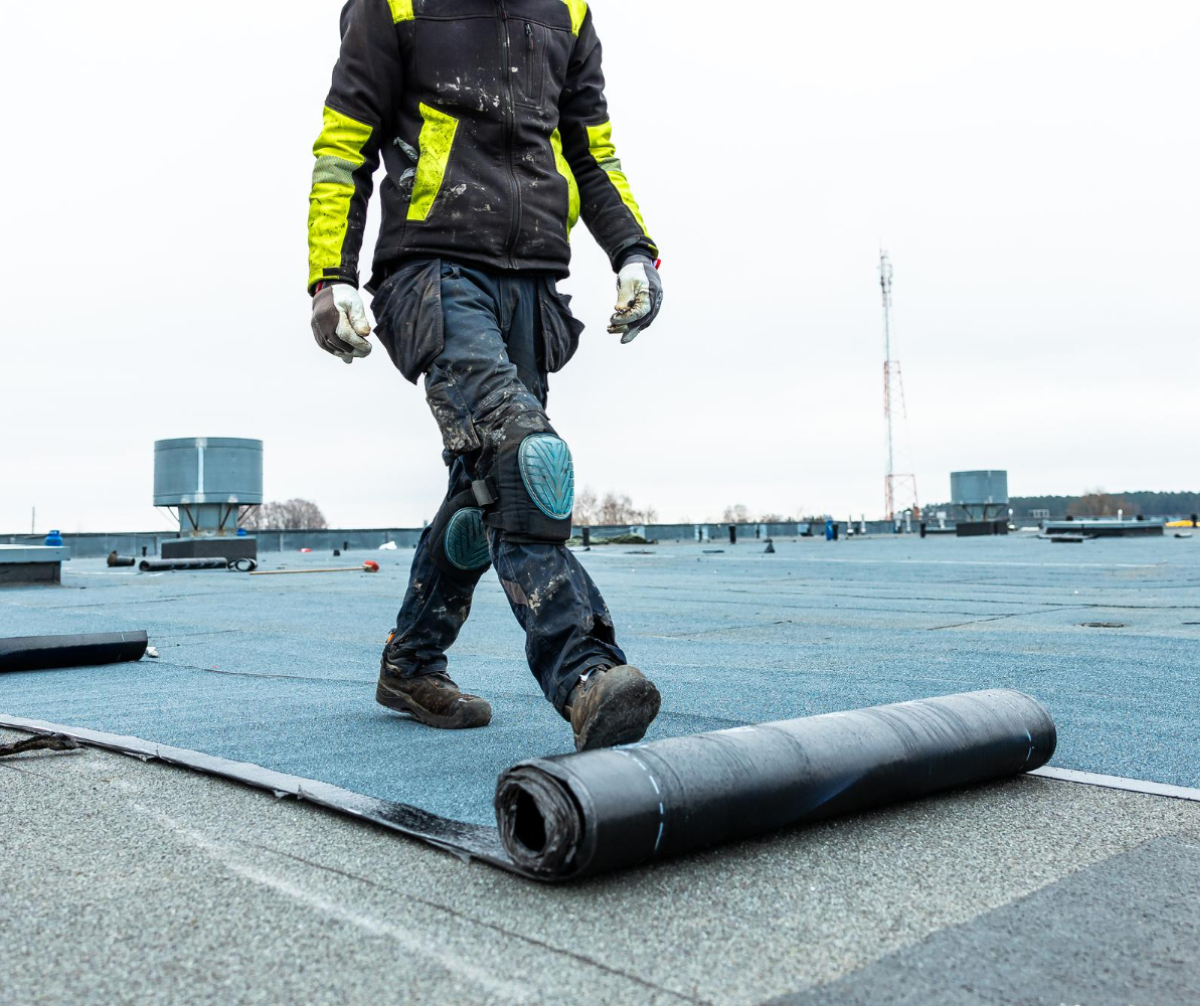
Rubber roofing has earned its place as a go-to choice for flat and low-slope residential and commercial buildings. Made primarily from EPDM (Ethylene Propylene Diene Monomer), it handles the full range of seasonal weather without the cracking or brittleness that affects other roofing materials.
It expands and contracts with temperature swings, sheds water effectively, and holds up well under UV exposure for years at a time.
While rubber roofing is known for its durability, it’s still not immune to wear over time. Minor issues such as small punctures, separated seams, or surface damage can gradually worsen if left unaddressed, allowing moisture to penetrate the underlying structure.
Identifying these issues early and scheduling timely rubber roof repair can help prevent more extensive damage.
What Makes Rubber Roofing Different?
Rubber roofing is a single-ply membrane system. The membrane is applied in large sheets across the roof deck, minimizing seams and reducing the number of points where water could infiltrate.
Key advantages include:
- Strong UV and weather resistance
- Flexibility across a wide temperature range
- Long service life with routine upkeep
- contribute to improved energy efficiency
- Cost-effective to install and repair
The flexibility is worth noting specifically. On flat roofs in climates with significant freeze-thaw cycles, rigid materials crack under the stress. EPDM moves with the building rather than fighting against it.
What Actually Causes Rubber Roof Damage
- Weather exposure is the most persistent factor. Rain, snow, hail, and years of sun gradually break down any roofing material. Freeze-thaw cycles add mechanical stress to seams and flashing over time.
- Punctures and tears happen more often than most property owners expect. A branch falling during a storm, a technician setting down a tool during an HVAC service call, or foot traffic from routine maintenance visits can all compromise the membrane. Even a small puncture lets moisture reach the roof deck.
- Seam separation is the failure mode that catches many people off guard. The adhesive holding seams together weakens with age and exposure. Once a seam begins lifting, water infiltration is essentially inevitable without prompt repair.
- Standing water creates additional challenges on flat roofs. Blocked drains or gutters keep water sitting on the surface far longer than the membrane was intended to handle. Over time, ponding accelerates deterioration and adds a weight load to the structure.
- Material aging is straightforward. Even quality EPDM eventually loses flexibility. As the rubber stiffens with age, it becomes more vulnerable to cracking and seam failure, particularly in winter.
Warning Signs Worth Looking At
Do not wait for a ceiling stain to start asking questions about the roof. Earlier indicators are worth knowing:
- Water stains on ceilings or walls
- Visible cracks, tears, or punctures on the membrane
- Seams that are lifting or feel loose underfoot
- Pooling water that lingers well after rain
- Mold or mildew growth in ceiling spaces
- Blistering or bubbling sections of the membrane
- Flashing damage around vents, chimneys, or skylights
- Unusual moisture or humidity indoors
Any one of these warrants a closer look. Several appearing together means repairs should not wait.
Maintenance That Actually Makes a Difference
Inspect twice a year:
Spring and fall inspections give you a look at how the roof handled winter and summer, respectively. Add an inspection after any significant storm.
Clear the roof surface regularly:
Leaves, debris, and accumulated dirt block drainage and trap moisture against the membrane. This simple maintenance helps extend the roof’s lifespan.
Check drains and gutters consistently:
Blocked drainage is the primary cause of ponding water. Keep downspouts clear and verify that roof drains are functioning after major rain events.
Minimize foot traffic:
Unnecessary foot traffic increases wear on the membrane over time. When equipment needs servicing, ensure technicians are working from appropriate platforms rather than walking directly on the rubber.
Inspect seams closely:
Seams are the most vulnerable part of the system. Early separation is repairable. Seams that have been open through multiple rain events often require more extensive work.
Trim overhanging trees:
Branches that scrape the surface during wind or fall during storms are among the more preventable causes of puncture damage.
How Professional Repairs Are Handled
The repair process follows a consistent sequence regardless of the specific damage type.
- A full inspection comes first. Roofing professionals look at the entire system, not just the visible problem area, because damage often presents itself in one location while originating elsewhere.
- The contractor then assesses what the damage actually involves. Punctures, seam separation, flashing failure, and drainage problems each require different approaches.
- Next comes surface preparation. The damaged area is thoroughly cleaned before any repair material goes down. Adhesion failure is one of the most common reasons repairs do not hold, and it almost always traces back to inadequate surface prep.
- Repair work varies by situation. Patches cover punctures, seam tape or adhesive resecures separating joints, flashing gets replaced or re-bedded, and weakened membrane sections get reinforced.
- A final inspection confirms that all repaired areas are properly sealed and that the roofing system is functioning as it should before the crew leaves the site.
Conclusion
A rubber roof that gets regular attention can last well over two decades without major intervention. The economics are clear: a twice-yearly inspection and occasional minor repair cost a fraction of what premature replacement costs.
For reliable rubber roof repair in Westchester County, working with a contractor who knows the region’s climate and understands EPDM systems makes a real difference in the quality and durability of the repair. At A&GJ Construction, we handle rubber roof inspection, repair, and maintenance for residential and commercial properties throughout Westchester County.
Our team brings hands-on experience, honest assessments, and workmanship that holds up through the seasons. If your roof has not been looked at recently, now is a good time to schedule an inspection before small issues develop into larger, more expensive repairs.
Frequently Asked Questions
How long does a rubber roof typically last?
A well-installed EPDM roof lasts between 25 and 40 years. The actual lifespan depends on material quality, climate exposure, and how consistently the roof has been maintained.
Can small punctures be repaired?
Yes. Small punctures and tears are handled with specialized patches and sealants. The repair holds well when the surface is properly prepared, and the work is done before water from the puncture reaches the deck.
How often should the roof be inspected?
Twice a year covers most situations, with an additional inspection after any storm involving high winds or significant hail.
Is standing water harmful to rubber roofing?
Over time, yes. EPDM resists water well, but prolonged ponding adds structural load and accelerates membrane deterioration at the contact points.
Should I attempt repairs myself?
Basic cleaning and visual checks are reasonable for property owners. Actual repairs involving patches, seam adhesive, or flashing work should be handled by an experienced roofing professional. Improperly sealed repairs often fail faster than the original damage.